TikTok Shop is the strangest sales channel most brands have ever run.
It is part marketplace, part social feed, part live shopping channel. Products sell because someone made a good video, not because someone searched for them.
That is why learning how to sell on TikTok Shop looks nothing like running an Amazon or Shopify store. Content, creators, and compliance all sit in the same job.
This guide covers how to sell on TikTok Shop properly: how the channel really works, what day to day management involves, what it costs, and how to grow without getting your shop penalized.

How to Sell on TikTok Shop: What the Job Actually Involves
Learning how to sell on TikTok Shop means running a seller account end to end: listings, content, creator partnerships, live streams, ads, orders, and compliance.
On other marketplaces, you optimize a listing and wait for search traffic. On TikTok, nobody is searching. The feed decides who sees you.
So management here is closer to running a media channel that happens to have a checkout attached.
If nobody is producing video every week, the shop goes quiet. That single fact shapes the entire operating model.
Key Takeaways
- Selling on TikTok Shop is content operations with a checkout attached, not marketplace listing work.
- Creators and affiliates drive most revenue, so switch that program on from day one.
- Live shopping converts best and is the most underused lever available.
- Native, demonstrative content beats polished brand advertising every time.
- Protect your seller metrics and keep product claims modest to avoid strikes.
- Judge performance on revenue per video and per creator, never on views.
Why TikTok Shop Is Different From Amazon or Shopify
Understanding the difference saves you from applying the wrong playbook, which is the most common way brands waste money here.
| Amazon | Shopify | TikTok Shop | |
|---|---|---|---|
| Demand comes from | Search | Your own traffic | The feed and creators |
| Main lever | Listing and ads | Site and marketing | Content volume and quality |
| Wins because | Best match for a query | Best brand experience | Best video that day |
| Biggest risk | Suspension | Traffic costs | Policy strikes and content droughts |
The practical takeaway is simple. Budget for content the way you would budget for ads elsewhere, because on TikTok content is the ad.
What Running a TikTok Shop Involves Week to Week
Full management covers six areas. Skip any one of them and growth stalls in a predictable way.
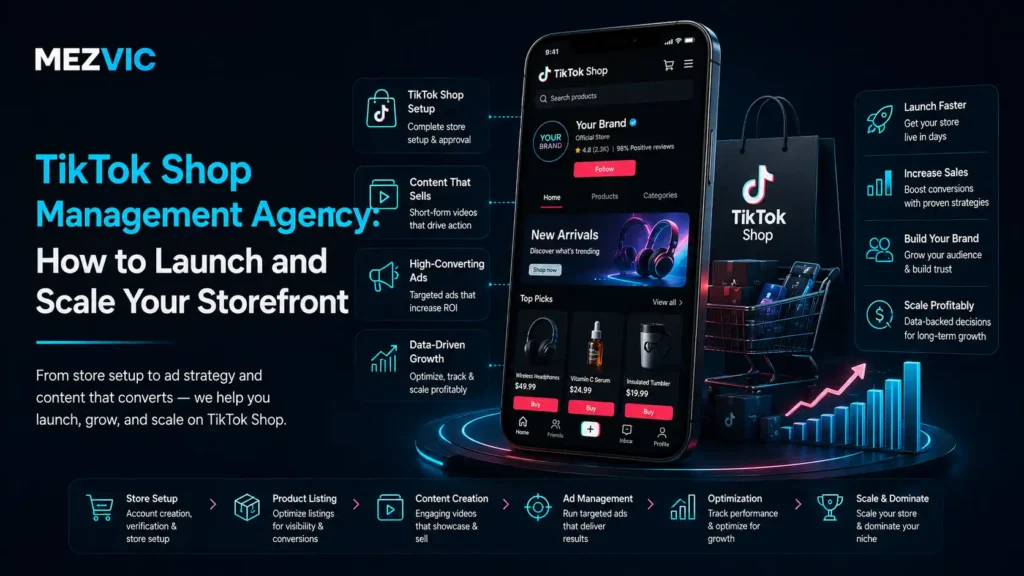
- Shop setup and listings: catalog, categories, pricing, and product content built for a video-first audience.
- Content production: a steady flow of short-form video that shows the product in use.
- Creator and affiliate management: finding, briefing, and paying creators who sell for you.
- Live shopping: scheduled streams that convert far better than static posts.
- Ads: paid amplification of the content that is already working organically.
- Operations and compliance: orders, shipping times, returns, and staying inside TikTok’s rules.
Most brands are strong on operations and weak on content. That imbalance is why so many shops sit at near zero sales.
Setting Up Your TikTok Shop Properly
Setup is quick, but a few early decisions shape everything after. Verification trips up more applicants than anything else, which is covered on TikTok Shop setup.
Step 1: Register and verify
Create your seller account and complete verification with accurate business documents. Mismatched details are the most common cause of early holds.
Step 2: Upload your catalog
Add products with clear images, honest titles, and complete attributes. Keep claims conservative, since TikTok polices product claims closely.
Step 3: Set shipping and returns
Commit to dispatch times you can actually hit. Late shipping hurts your seller metrics faster on TikTok than most sellers expect.
Step 4: Turn on the affiliate program
Set a commission rate and open your products to creators. This is the single highest-impact switch on the platform.
Step 5: Plan your content calendar
Decide before launch who is filming, how often, and what each video is about. Without this, momentum dies in week three.
The Creator Engine: Where Sales Really Come From
If you take one thing from this guide, take this: most successful TikTok Shops are powered by creators, not by the brand’s own account. Running that programme properly is TikTok affiliate management, and commission is not the number it appears to be.
The affiliate program lets creators sell your product for commission. You only pay when they sell, which makes it unusually low risk.
The work is in the funnel: reaching out to many creators, sending samples, briefing them well, and doubling down on the few who convert.
Expect a low hit rate. Out of fifty creators, a handful will produce most of your revenue. That is normal, not failure.

Live Shopping: The Underused Lever
Live streams convert better than almost anything else on TikTok, because viewers can ask questions and buy in the same moment.
They are also uncomfortable at first. Early streams feel slow, and that is exactly where most brands quit.
The ones that persist find a rhythm: a regular slot, a clear product focus, and a host who genuinely knows the product.
Start with one stream a week and treat the first month as training, not as a revenue target.
What Content Actually Sells
Polished brand adverts tend to flop on TikTok. Native, useful, slightly rough content wins. Growing your own audience alongside the creators is TikTok marketing.
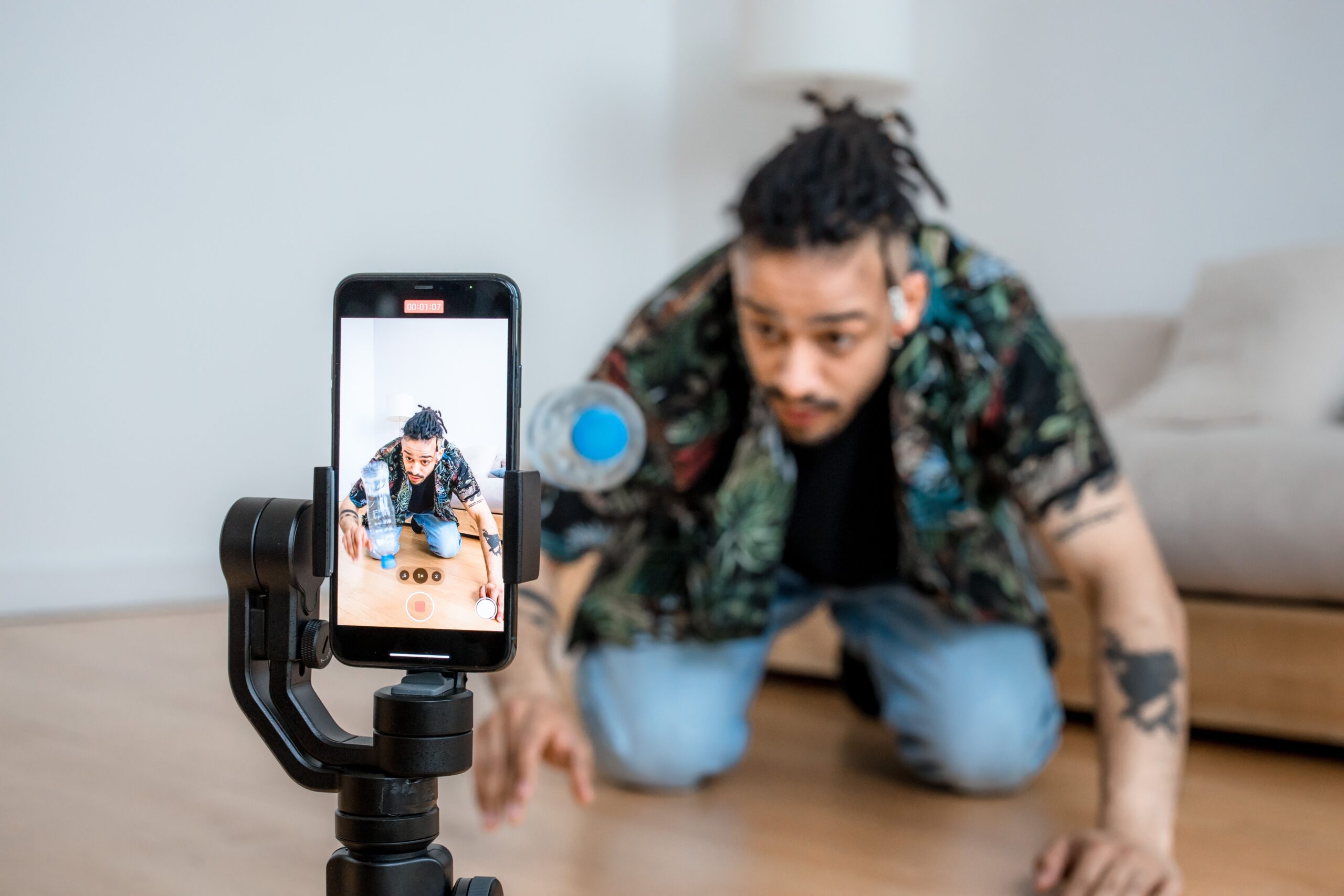
- Problem and solution: show the annoyance, then show the product fixing it.
- Demonstrations: the product doing the thing, close up, in real conditions.
- Before and after: the most persuasive format on the platform.
- Honest reviews: a real person explaining why they like it.
- Answering questions: take a real customer question and film the answer.
Hook in the first second, show the product by the third, and keep it short. That is most of the formula.
Staying Compliant and Avoiding Suspension
TikTok enforces its rules aggressively, and sellers are often caught out by things that would be fine elsewhere. If an account is already restricted, start with the marketplace suspension playbook.
The usual triggers are exaggerated product claims, restricted categories, late shipping, poor seller ratings, and misleading content.
Health and beauty claims deserve particular care. “Cures”, “heals”, and medical language will get videos and listings pulled.
Marketplace enforcement follows the same pattern everywhere, which is why account reinstatement work is so often about documentation and process, not arguments.
Keep your dispatch times honest, your claims modest, and your seller metrics healthy. That covers most of the risk.
Operations: Where Growth Quietly Breaks
TikTok sales are spiky. One video lands and you get a week of normal volume in an afternoon. Spikes are a fulfilment problem before they are a service one, covered on eCommerce fulfilment.
That is wonderful until you run out of stock, miss dispatch windows, and take a metrics hit right as momentum builds.
Hold more buffer stock than feels sensible on your best sellers, and make sure someone can pack a surge without drama.
Syncing inventory and orders automatically is worth setting up early, and it is exactly the kind of repetitive work automation should be handling.
Does TikTok Shop Work for Every Product?
No, and it is worth being honest about that before you invest.
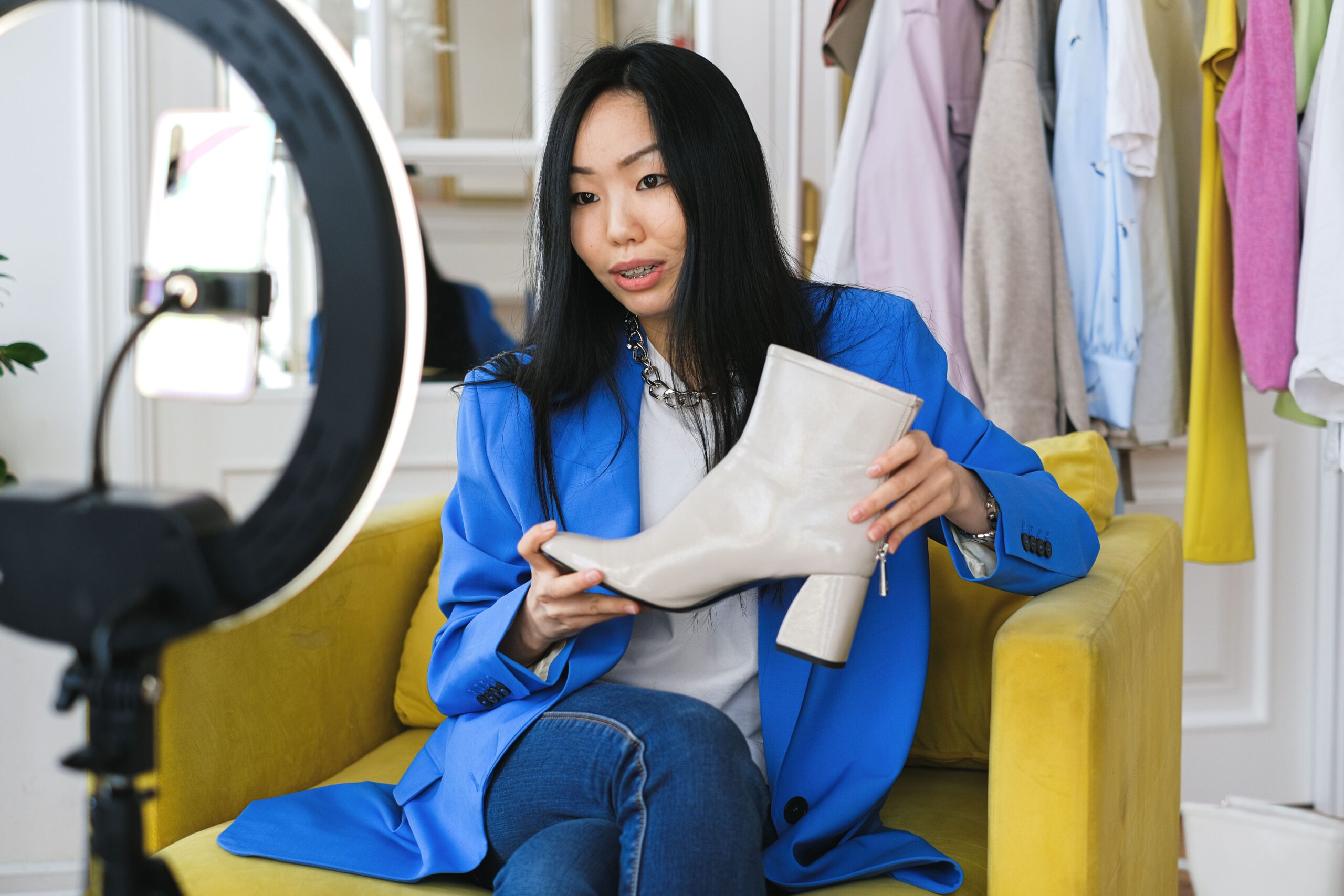
TikTok Shop rewards products that are visual, demonstrable, impulse friendly, and priced where people buy without much thought.
Beauty, home gadgets, fashion, snacks, and fitness do well. Complex B2B equipment and high consideration purchases usually do not.
If your product needs a spreadsheet and three meetings to justify, your budget is better spent elsewhere.
What is left of a $40 TikTok Shop sale
Each line is charged separately, and most sellers only model the first one.
Worked example using a 6% referral rate and 15% commission. Rates vary by market and category, so run your own before setting prices.
What Does It Cost to Sell on TikTok Shop?
There are four cost lines, and content is the one people forget.
- Platform commission on each sale.
- Creator commissions on affiliate sales, paid only on results.
- Content production, whether in house or outsourced.
- Management, either a salaried person or an agency retainer.
Before committing, run your numbers through our profit margin calculator with commission included. Some products simply do not survive the stack of fees.
In House vs Hiring an Agency
The honest answer depends on whether you can produce consistent video. Handing the whole account over is TikTok Shop management.
Run it in house if someone on your team genuinely enjoys making content and has time every week. That person is worth more than any tool.
Hire an agency if you need creator relationships, production capacity, and someone accountable for output rather than good intentions.
The failure mode of doing it in house is not cost, it is silence. Shops die from nobody filming, not from bad strategy.
Measuring What Matters
Vanity metrics are especially tempting here, because views are so visible. Judge it on retained revenue after fees, which our profit margin calculator makes quick to check.
- GMV per video, so you learn which content actually sells.
- Revenue per creator, to find your top performers.
- Conversion rate from product page views to orders.
- Live stream revenue per hour, to justify the time.
- Seller metrics, because they protect the whole account.
A video with 2 million views and no sales taught you nothing except that people liked the video.
Your First 90 Days on TikTok Shop
Expectations kill more TikTok Shops than strategy does. Here is a realistic ramp.
Days 1 to 30: get set up, list properly, publish consistently, and start creator outreach. Sales will be small. That is fine.
Days 31 to 60: find which content formats and which creators convert. Cut what does not work and repeat what does.
Days 61 to 90: scale the winners with more creators, more frequent lives, and paid amplification on proven videos.
Most brands quit in week five, right before the data gets useful. Persistence is genuinely the differentiator here.
Fitting TikTok Into Your Wider Channel Mix
TikTok Shop should not be your only channel, and it works best alongside the rest of your store. Keeping one stock number across every channel is marketplace management.
Use it for discovery and impulse purchases, then bring buyers back to your own site for repeat orders and better margin.
The content you film for TikTok also works on Reels and Shorts, so production effort spreads across channels.
Keeping listings, stock, and pricing aligned across all of them is ordinary eCommerce management, just with more moving parts.
Common TikTok Shop Mistakes
The same avoidable mistakes show up in almost every underperforming shop.
- Posting polished adverts instead of native, useful content.
- Launching without a creator program switched on.
- Publishing for three weeks, then going quiet.
- Ignoring live shopping because the first stream felt awkward.
- Overpromising in claims, then collecting policy strikes.
- Running out of stock exactly when a video takes off.
Notice how many are about consistency rather than cleverness. That is the real lesson of the channel.
Getting Started
Before you register, decide who is making the videos and how often. If you cannot answer that, fix it first.
Then set up properly, turn on affiliates, publish consistently for ninety days, and let the data tell you what to scale.
You can see how we approach channel builds like this in our case studies.
A Realistic Weekly Rhythm
Most brands fail on TikTok because they have no routine, not because they lack ideas. Here is a weekly cadence that works.
- Monday: review last week’s numbers and pick the videos worth repeating.
- Tuesday: film a batch of content in one session rather than daily.
- Wednesday: creator outreach, sample dispatch, and briefing.
- Thursday: run your live stream at a consistent time.
- Friday: respond to comments, questions, and reviews.
- Ongoing: post daily from the batch you filmed.
Batching is the key move. Filming eight videos in one afternoon is far easier than finding motivation every single day.
Once this rhythm is habit, the channel stops feeling chaotic and starts feeling like an ordinary operation.
How to Brief a Creator Well
The gap between a creator who sells and one who does not is usually the brief, not the creator.
Tell them the one thing the product solves, the detail worth showing on camera, and any claims they must avoid.
Then get out of the way. Creators know their audience better than you do, and scripted brand language kills their performance.
A good brief fits on half a page. If yours runs to four pages of guidelines, expect flat, awkward videos.
Send the sample quickly too. Enthusiasm fades while a parcel sits in transit for two weeks.
When to Add Paid Ads
Ads on TikTok work best as an amplifier, not a starting point. GMV Max is now the only campaign type, which changes the job entirely: see TikTok Shop ads management.
Wait until a video has already proven it converts organically, then put budget behind that exact video.
Paying to distribute content nobody engaged with organically is the fastest way to burn a budget on this platform.
Creator content often outperforms brand content in ads too, so get permission to run their videos as paid placements.
Turning TikTok Buyers Into Repeat Customers
TikTok Shop customers belong to TikTok, not to you. That is the quiet cost of the channel. That second order is usually won by email automation rather than by another video.
Use packaging inserts, a discount card, or a QR code to invite buyers to order directly next time.
Second orders on your own site carry no platform commission and no creator commission, so the margin is dramatically better.
Treat TikTok as paid discovery that happens to be profitable, and build the bridge back to your own store deliberately.
Those follow up sequences run themselves once your email automation is wired to new customers.
Signs You Have Outgrown Doing It Yourself
Already selling but stuck? A few symptoms point to specific fixes rather than general effort.
- Views but no sales: your content entertains but never shows the product solving a problem.
- No views at all: you are not posting often enough for the feed to test you.
- Creators ignore you: your commission is too low or your brief is too restrictive.
- Sales then silence: you stopped publishing after an early win.
- Rising strikes: your claims or categories need reviewing urgently.
Each symptom has a clear cause. That is genuinely good news, because it means the fix is usually operational rather than mysterious.
Diagnose honestly before spending more. Adding budget to a shop with no content rhythm just makes the problem more expensive.
Frequently Asked Questions
What does it take to sell on TikTok Shop?
Selling on TikTok Shop is the ongoing work of running a seller account, covering listings, short-form content, creator and affiliate partnerships, live shopping, ads, order operations, and platform compliance.
How much does it cost to sell on TikTok Shop?
You pay a platform commission on each sale, plus creator commissions on affiliate orders. Beyond that, budget for content production and either an in house manager or an agency retainer.
How long does it take to see sales?
Most shops see small early sales in the first month, useful data by month two, and meaningful scale around month three once you know which creators and content formats convert.
Do I need to appear on camera?
No. Many successful shops rely on affiliate creators and product-focused footage instead of the founder appearing. Someone does need to produce video consistently, whether that is you, a team member, or creators.
Why is my TikTok Shop getting no sales?
Usually one of three reasons: not enough content going out, no active creator program, or a product that is hard to demonstrate in short video. Content volume is the most common culprit.
Do I need a lot of followers to sell on TikTok Shop?
No, and this is the most persistent myth about the channel. Reach on TikTok is driven by whether a video holds attention rather than by follower count, which is why brand new accounts regularly outsell established ones. What matters far more is having a steady supply of watchable video, most of which should come from creators rather than from your own account.
What commission should I offer TikTok Shop creators?
Work backwards from what a sale leaves you after the referral fee, fulfilment and returns rather than copying a category average. Open plans commonly sit around ten to fifteen percent, with higher negotiated rates reserved for creators who have already proven they can sell your product. Paying your best-partner rate to everybody is how the channel becomes unprofitable while looking busy.
How many products should I launch with?
Start with a handful rather than the whole catalogue. Creators need something specific and demonstrable to talk about, and a small set lets you concentrate reviews, sales history and content on the items most likely to work. Once one product is genuinely selling, widening the range is straightforward. Launching two hundred SKUs at once mostly guarantees none of them accumulate signal.
Can I sell the same products I sell on Amazon?
Usually yes, but the ones that work are often different. TikTok rewards products with a visible before and after, an obvious moment of use, or a price low enough for an impulse decision. Items that sell on Amazon through search intent and specification comparison can land flat here, because nobody arrived looking for them in the first place.
What happens if a video goes viral and I run out of stock?
You cancel orders, and cancellations damage the seller metrics that decide whether you stay visible. This is the failure that catches new sellers hardest, because the good day and the damaging day are the same day. Hold a buffer on anything a creator is actively promoting, and keep stock levels honest rather than optimistic while a video is running.
The Bottom Line
TikTok Shop rewards brands that show up consistently and let creators do the selling. It punishes brands that treat it like another marketplace listing.
Get the setup right, switch on affiliates, publish weekly, and protect your seller metrics. Then give it ninety days before you judge it.
Want the channel handled properly, content and creators included? Book a free strategy call and we will map your product fit and first ninety days.